Lead generation has changed a lot in the past few years. Things that worked before don’t always work now. Some businesses put their money into ads, some try content marketing, and some still experiment with direct outreach.
In the middle of all this, email scraping quietly continues. Not everyone talks about it, but it still works if used the right way. The question is—does it still make sense in 2026?
Manual Lead Collection is Painful
If you’ve ever tried building a list manually, you know how tiring it is. You jump from website to website, look for contacts, check social profiles, and after hours of work, you often get incomplete or outdated info.


That’s why tools like SocLeads are popular. They don’t solve everything, but they save time. Instead of collecting a few emails here and there, you can get a bigger batch faster.
Still, speed isn’t the only thing that matters. Quality counts more than quantity.
Social Media Leads: Instagram and Facebook
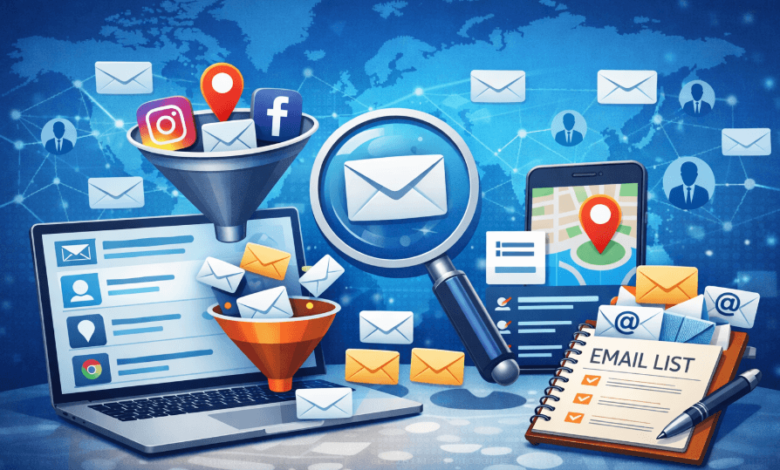
Social media is full of leads, but manually going through profiles is exhausting. That’s where Instagram Email Scraper helps. It collects public emails from Instagram profiles. Many small business owners, creators, and freelancers include their email in their bio.
Similarly, a Facebook Email Scraper helps gather emails from Facebook pages and groups. It’s useful to reach people active in communities related to your service.
Both tools save a lot of manual effort. You still need to filter for relevance, but it’s much faster than doing everything by hand.
Google Maps Leads
Local businesses are another great source. Tools like Google Maps Scraper let you extract emails from local business listings. This is perfect if you want to reach nearby clients or target a specific city.
You can get emails, phone numbers, and other details. When combined with social media scraping, it gives a well-rounded list of potential leads.
More Emails Don’t Always Mean Better Results
A big mistake is thinking bigger lists equal better results. Hundreds or thousands of emails don’t help if they aren’t relevant.
Smaller lists that are targeted properly often perform better. Using Instagram, Facebook, and Google Maps scraping together can give you a quality list instead of just a huge number of irrelevant contacts.
See Also: Comparing the Leading Platforms for IG Engagement
Outreach is What Really Matters
Collecting emails is only step one. The real impact comes from what you do next.
Generic emails rarely work. People can spot templates immediately. Short, simple, slightly personal emails tend to get better responses.
Even small touches—like using a person’s name or mentioning something specific about their business—can make a big difference.
Combining Methods Works Best
Successful lead generation today is never about one tool. Businesses usually combine multiple scraping tools, refine the list, and focus on personalized outreach.
Some campaigns fail. Some work okay. Over time, patterns emerge. You figure out which audiences respond better and adjust your messaging.
Final Thoughts
Email scraping is not dead. Tools like SocLeads, Instagram Email Scraper, Facebook Email Scraper, and Google Maps Scraper still save time and help collect leads efficiently.
But it’s not magic. The quality of your list and how you communicate with leads matter far more. When used thoughtfully as part of a broader strategy, email scraping remains a useful part of modern lead generation.